
 admin
CNC machining rapid prototype manufacturer deliver
The speed at which a cnc machining rapid prototype manufacturer can deliver parts varies significantly depending on several factors, but generally, lead times are remarkably fast, often ranging from a few days to a couple of weeks. Simple parts can even be produced within 24-48 hours. This accelerated turnaround is one of the primary benefits of using CNC for prototyping, allowing for quick design iterations and faster product development cycles.
Several elements influence the exact delivery speed of a CNC machining rapid prototype manufacturer. The complexity of the part is a major factor; intricate geometries, numerous features, and tight tolerances require more programming time, specialized tooling, and longer machining cycles. Simpler designs with fewer features and standard tolerances can be machined much quicker, leading to shorter lead times. The number of parts in an order also plays a role, with single prototypes often processed faster than small-batch production runs due to less setup and programming overhead per part.
Material choice is another critical determinant of delivery speed. Softer, more machinable materials like aluminum and various plastics can be cut at much higher speeds, drastically reducing machining time. Conversely, harder materials such as stainless steel, titanium, or exotic alloys require slower cutting speeds, specialized tools, and more intricate machining strategies, which inherently extend the lead time. The availability of the chosen material in the manufacturer’s stock can also impact speed; if a specialized material needs to be ordered, it adds to the overall delivery schedule.
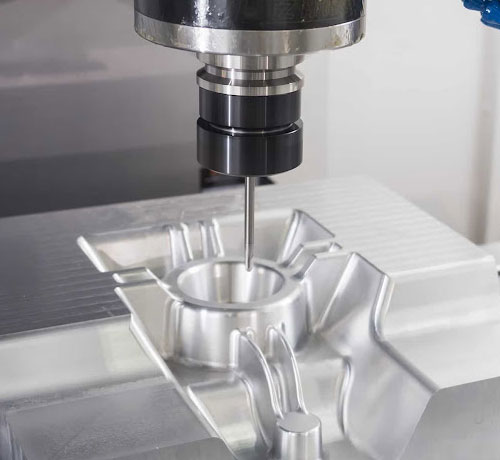
How fast can a CNC machining rapid prototype manufacturer deliver?
The capacity and workload of the CNC machining rapid prototype manufacturer itself are crucial. A highly automated facility with multiple machines and efficient scheduling systems can process orders faster than a smaller shop with limited capacity or a high backlog. Modern manufacturers also utilize advanced CAM (Computer-Aided Manufacturing) software that can quickly generate toolpaths from CAD models, minimizing the time spent on preparation and allowing machines to begin cutting almost immediately after an order is placed.
It’s also worth noting how different prototyping technologies complement each other in terms of speed. While a CNC machining rapid prototype manufacturer excels in producing highly accurate and functional prototypes from production-grade materials quickly, some may also offer 3D Printing Services. For very early conceptual models or designs with extreme internal complexities that are difficult for CNC, 3D printing can sometimes offer an even faster initial iteration, though perhaps with different material properties or surface finishes. The synergy between these methods can provide optimized speed at various stages of product development.
Finally, effective communication and design for manufacturability (DFM) contribute significantly to faster delivery. Providing clear, complete CAD files and communicating all design requirements upfront helps the CNC machining rapid prototype manufacturer avoid delays from ambiguity or design flaws that could lead to rework. Manufacturers often provide DFM feedback to optimize designs for faster and more efficient machining, proactively addressing potential issues that might otherwise extend lead times.
In summary, a CNC machining rapid prototype manufacturer offers impressive speed for prototype delivery, often ranging from a few days to a couple of weeks. This efficiency is driven by factors like part complexity, material selection, manufacturer capacity, and proactive design optimization. By understanding these variables, businesses can better plan their prototyping timelines and leverage the rapid capabilities of CNC machining to accelerate their product innovation cycles.
