
 admin
Managing employees who work outside the office can be challenging for businesses. Sales representatives, delivery personnel, service technicians, and field executives often travel between multiple locations throughout the day. Without a reliable system, managers may struggle to monitor work progress, coordinate assignments, and maintain accurate activity records.
A field employee tracking app provides a practical solution by helping businesses coordinate field teams, monitor work-related activities, and improve communication. Using mobile technology and features such as GPS location tracking, task management, and digital reporting, organizations can gain better visibility into field operations.
Whether you operate a small service company or a large organization with employees across multiple locations, the right tracking application can simplify daily management and support business growth.
What Is a Field Employee Tracking App?
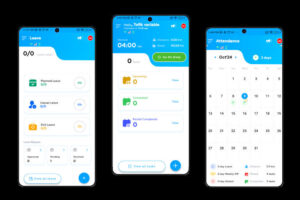
A field employee tracking app is a mobile-based software solution designed to help businesses manage employees who perform their duties outside a central office. It allows managers to coordinate field assignments, review job progress, and access relevant employee activity information through a centralized dashboard.
Depending on the software, features may include GPS location updates, attendance tracking, route planning, task assignment, customer visit records, work reports, and digital proof of service.
Employees can use the application to receive instructions, update task statuses, submit reports, and communicate with supervisors. This creates a more organized workflow and reduces dependence on phone calls, paper forms, and manual reporting.
Key Benefits of Using a Field Employee Tracking App
1. Real-Time Field Team Visibility
Understanding where field operations are taking place can help managers coordinate work more effectively. GPS-enabled tracking features can provide location updates during authorized working activities, depending on the application and its settings.
This information helps supervisors coordinate assignments, identify delays, and allocate resources when priorities change. Businesses can also use location information to support scheduling and improve coordination between employees and customers.
Location tracking should be transparent, proportionate to business needs, and consistent with applicable privacy requirements.
2. Improved Employee Productivity
Field employees often handle several assignments, customer visits, and service requests in a single day. Managing these responsibilities manually can lead to missed appointments and inefficient scheduling.
A field tracking application helps employees access task details, update progress, and prioritize their daily responsibilities. Managers can review completed assignments and identify workflow problems that may affect productivity.
With clearer responsibilities and better coordination, teams can spend less time on administrative work and more time delivering services.
3. Accurate Attendance Management
Tracking attendance becomes more complicated when employees work at different customer sites or travel throughout the day. A field employee tracking app can simplify this process by offering mobile check-in and check-out features.
Some applications support GPS-based attendance verification, allowing businesses to confirm that employees recorded attendance from an approved work location. Attendance reports can also help managers review working hours, absences, and punctuality.
These features reduce manual recordkeeping and make attendance information easier to manage.
4. Better Customer Service
Customer satisfaction depends on timely communication, reliable appointments, and efficient service delivery. When managers have access to assignment updates, they can respond more quickly to delays and provide customers with more accurate information.
Field employees can also access customer details, service histories, and job instructions directly through their mobile devices. This reduces confusion and helps them arrive prepared for each assignment.
For service-based businesses, improved coordination can contribute to a more consistent customer experience.
5. Simplified Reporting and Performance Analysis
Preparing daily field activity reports manually can consume valuable time. Many tracking applications allow employees to submit digital reports, upload photographs, record customer visits, and update task completion status.
Managers can use these records to evaluate completed assignments, identify recurring delays, and understand operational performance. Data-driven reporting also helps businesses identify areas where additional training or process improvements may be beneficial.
Essential Features to Look for in a Field Employee Tracking App
Before choosing a solution, evaluate the features that match your business requirements.
- GPS location tracking: Provides location visibility for authorized field activities.
- Mobile attendance: Records employee check-in and check-out times.
- Task management: Helps assign work, set priorities, and monitor completion.
- Route planning: Supports efficient travel between customer locations.
- Digital reporting: Enables employees to submit work updates and supporting documents.
- Customer visit management: Organizes appointments, visit history, and service information.
- Performance reports: Helps managers analyze productivity and operational trends.
- Data security: Protects employee and customer information through suitable access controls.
Also consider application usability, subscription costs, offline functionality, customer support, and integration with existing business software.
Which Businesses Can Benefit from Field Tracking Software?
Field tracking solutions can support many industries. Sales teams can manage customer visits, delivery companies can coordinate assignments, maintenance businesses can schedule technicians, and healthcare service providers can organize authorized field visits.
Construction companies, facility management teams, and logistics businesses may also benefit from improved attendance records, task coordination, and operational reporting.
The best solution depends on the number of employees, the nature of fieldwork, and the level of tracking required.
Conclusion
A field employee tracking app helps businesses organize mobile workforces, improve task coordination, monitor attendance, and maintain better operational visibility. By combining location features, digital reporting, and task management, organizations can reduce administrative effort and deliver more reliable services.
Before investing in an application, compare its features, pricing, security measures, and scalability. Choose a solution that supports your daily operations while respecting employee privacy. With the right system in place, businesses can manage field teams more efficiently and build a stronger foundation for sustainable growth.
