
 admin
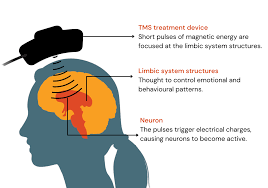
If you’re struggling with persistent anxiety and have searched for tms near me, you may be curious whether transcranial magnetic stimulation is a viable treatment. TMS is a non-invasive procedure that uses targeted magnetic pulses to activate specific brain regions associated with mood and emotional regulation. While it is most widely known for treating major depressive disorder, emerging research and clinical practice suggest that TMS can also benefit individuals suffering from generalized anxiety, panic disorders, and related conditions.
How TMS Addresses Anxiety
Anxiety disorders often involve hyperactive neural circuits responsible for fear, worry, and stress response. By precisely stimulating these brain regions, tms near me can help recalibrate the activity of overactive networks, reducing the intensity of anxious thoughts and physical symptoms. Unlike medications, which can have systemic side effects, TMS works locally in the brain, offering a treatment option for those who have not fully responded to traditional therapies like cognitive-behavioral therapy or anti-anxiety medications.
Clinical Evidence Supporting TMS for Anxiety
Several studies have demonstrated that TMS can decrease anxiety severity, improve emotional resilience, and enhance overall quality of life. Patients who undergo multiple sessions often report reduced worry, calmer sleep patterns, and a greater ability to handle daily stressors. Clinics offering tms near me frequently combine TMS with ongoing psychotherapy to maximize results, creating a comprehensive treatment plan for individuals with chronic anxiety.
Benefits of Localized Treatment
One of the primary advantages of TMS is its targeted approach. Instead of broadly affecting neurotransmitters throughout the body, tms near me delivers magnetic pulses to specific cortical areas linked to mood regulation and emotional processing. This precision allows clinicians to fine-tune protocols according to individual needs, increasing the likelihood of meaningful improvement in anxiety symptoms while minimizing side effects.
Accessibility and Finding Providers
For those exploring TMS, resources such as tmstherapynearme.com can help locate clinics in your area that specialize in anxiety treatment. Many providers offer initial consultations to determine whether TMS is appropriate based on your medical history, previous treatment responses, and current symptom severity. Ensuring you receive care from an experienced facility increases both the effectiveness of treatment and the safety of the procedure.
Who May Benefit Most
While TMS is not a universal solution, it is particularly useful for patients who have not responded to medications or psychotherapy alone. People with comorbid conditions, such as depression and anxiety, may also see dual benefits. By targeting the neurological roots of anxiety, tms near me provides an option for lasting symptom relief rather than short-term masking of feelings.
Looking Ahead
As research continues, TMS protocols are being refined to address a wider range of anxiety-related disorders, including social anxiety and post-traumatic stress. The therapy’s foundation in neuroplasticity—the brain’s ability to reorganize itself—offers hope for long-term improvement in emotional regulation. For patients struggling with anxiety disorders, TMS represents a promising, non-invasive tool to complement existing treatment strategies.
Conclusion
In summary, anxiety can indeed be treated with tms near me for many patients, especially those who have not found relief through conventional approaches. With targeted stimulation, minimal side effects, and growing clinical support, TMS offers a safe and effective path toward managing anxiety symptoms. Accessing experienced providers through platforms like tmstherapynearme.com can help ensure that you receive tailored, professional care suited to your unique needs.
